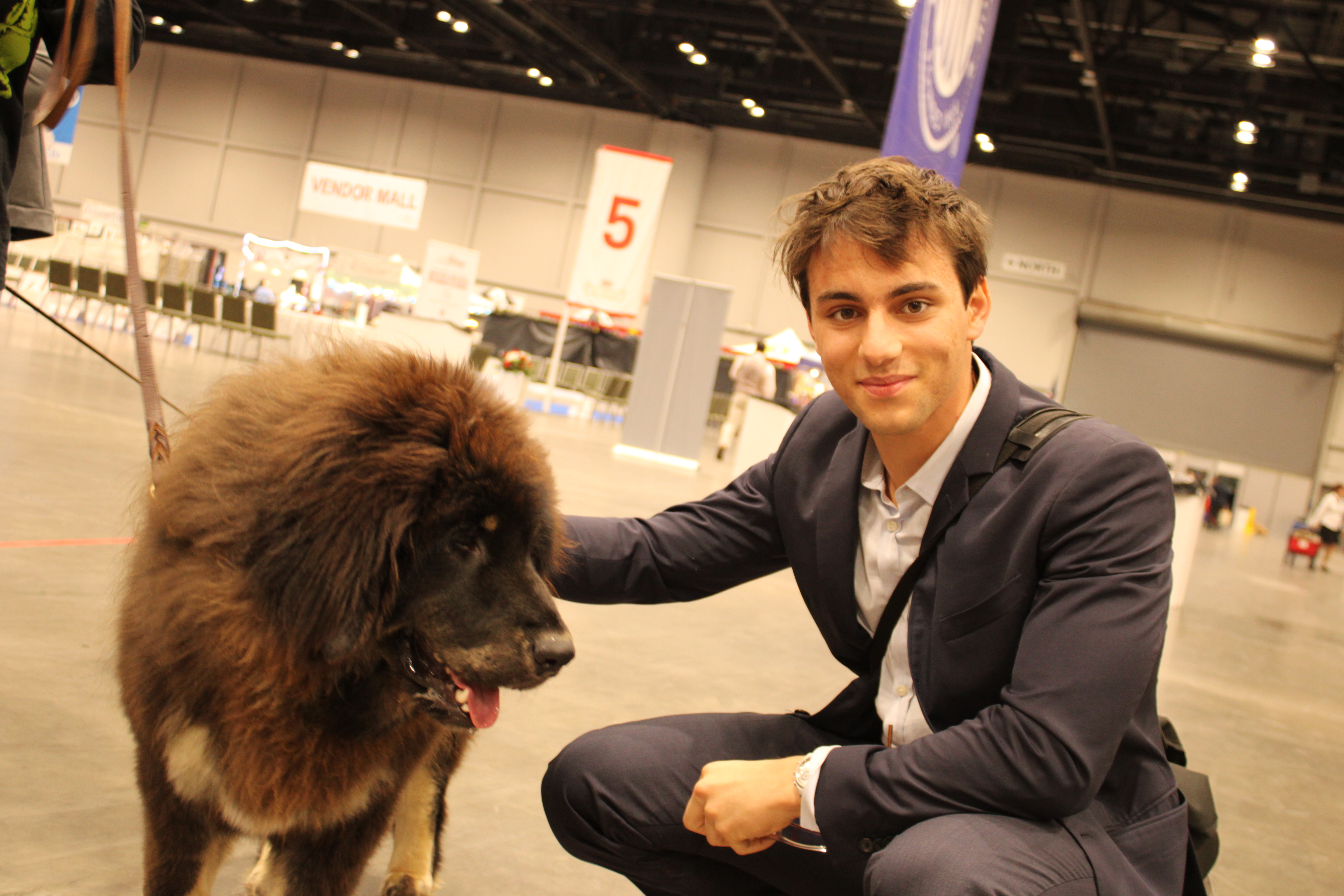
Hi, I'm Gabriel Bendix, a UF Student
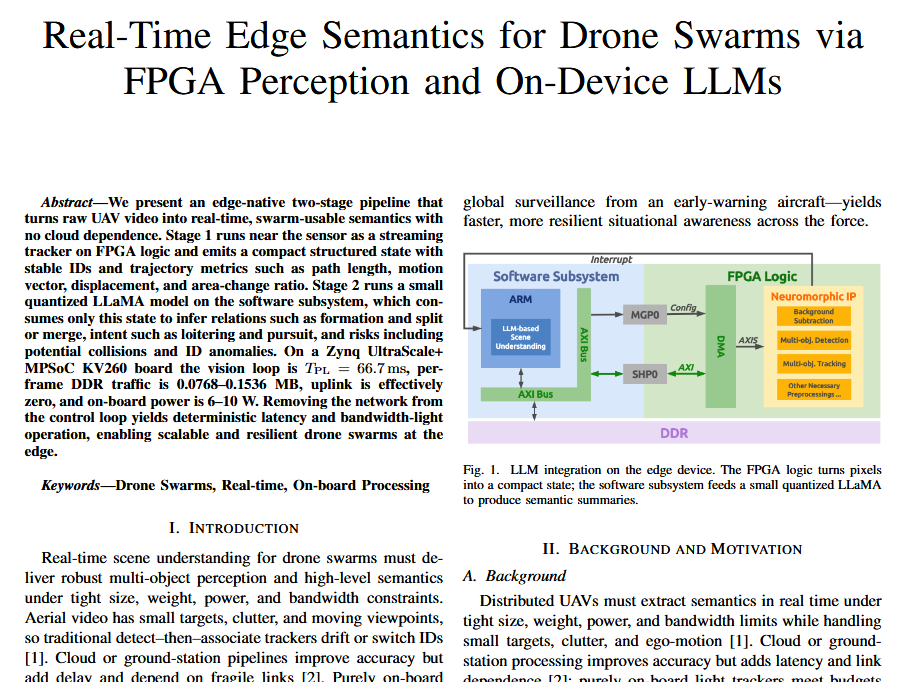
Published Research · FPGA · Edge AI · Drone Swarms
Published at ISQED 2026 - The International Symposium on Quality Electronic Design
This work presents a real-time edge-native vision-to-language pipeline for drone swarms. A streaming FPGA front end on a Zynq UltraScale+ MPSoC performs multi-object tracking and emits compact structured state, while an on-device quantized LLM converts trajectories and interaction cues into semantic summaries without relying on cloud connectivity. The system demonstrates low-latency, low-SWaP semantic scene understanding for distributed aerial robotics.
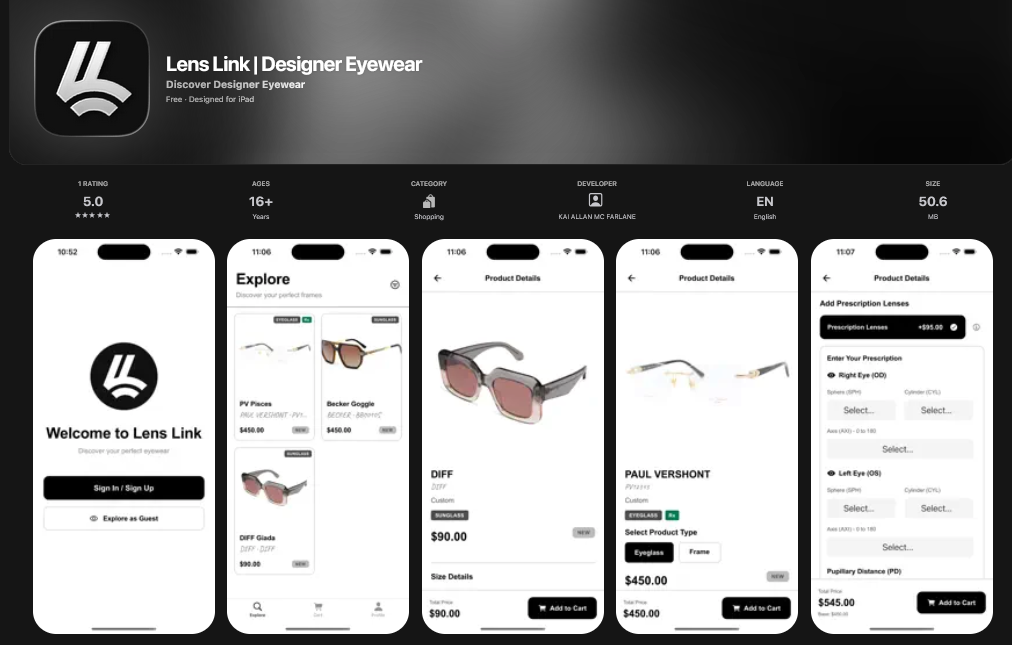
Mobile-first, multi-vendor marketplace pairing independent eyewear sellers with buyers worldwide. A React Native app on a headless Medusa backend handles unified catalog, prescription validation, Shippo labels, and Stripe split payouts. Available on the App Store.
Co-author on a real-time, edge-native pipeline for drone swarms. A streaming FPGA front end on a Zynq UltraScale+ KV260 performs multi-object tracking at 66.7 ms latency while an on-device quantized LLM converts trajectories into semantic summaries — enabling resilient, low-SWaP, no-cloud swarm ops at ~2.9 W.
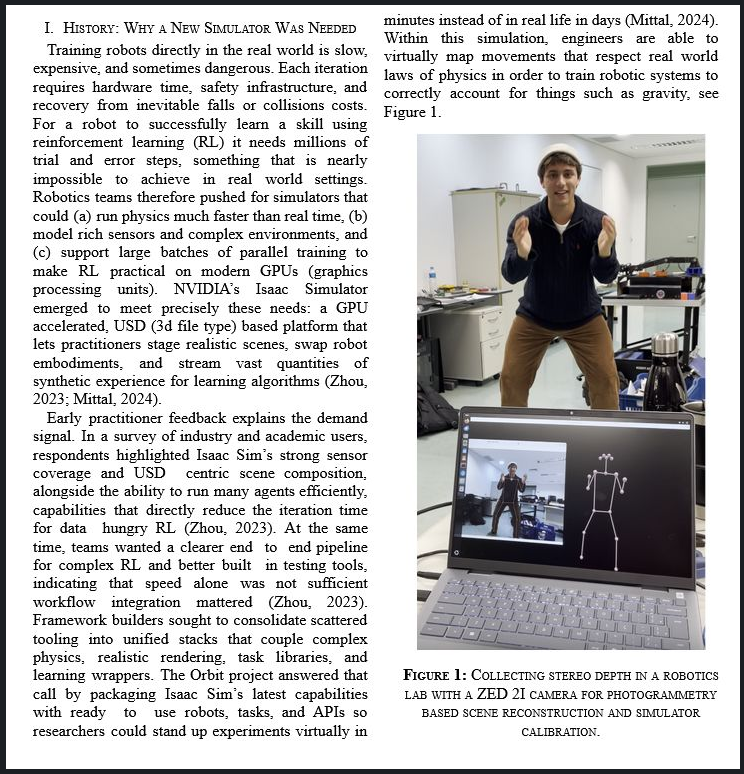
Deployed GPU-accelerated computer vision pipeline with ZED 2i depth perception camera, cutting end-to-end latency by 15%. Applied CUDA and ROS on Ubuntu Linux to run autonomous navigation algorithms for a robotics competition.
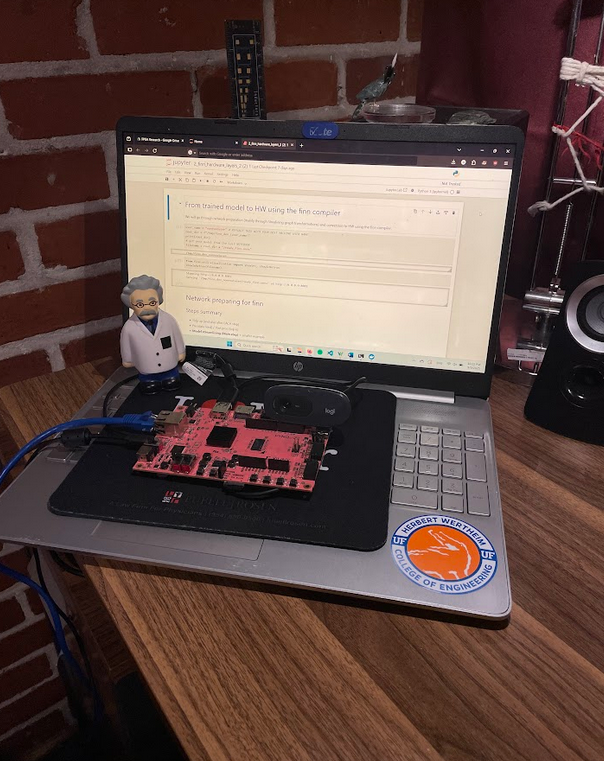
I build custom, low-precision neural-network accelerators on PYNQ FPGA Board using FINN, turning quantized PyTorch/ONNX models into streaming, hardware pipelines for edge AI. The work targets W2–W8/A2–A8 quantization to hit real-time latency/throughput on PYNQ-class boards while preserving accuracy.
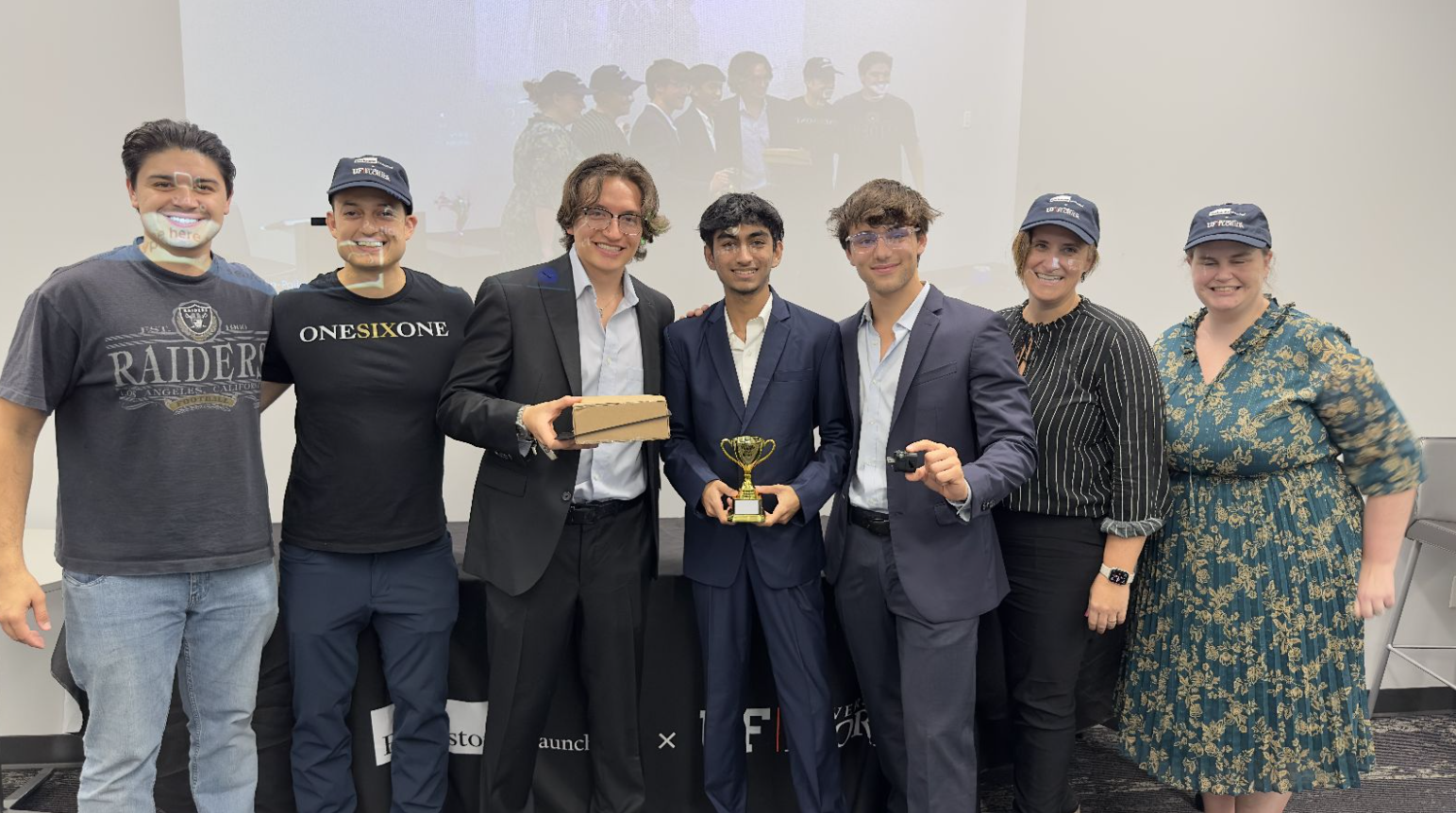
Created a system combining NASA FIRMS API data with a mobile app and hardware alarm to notify users (and at-risk relatives) when wildfires approach.
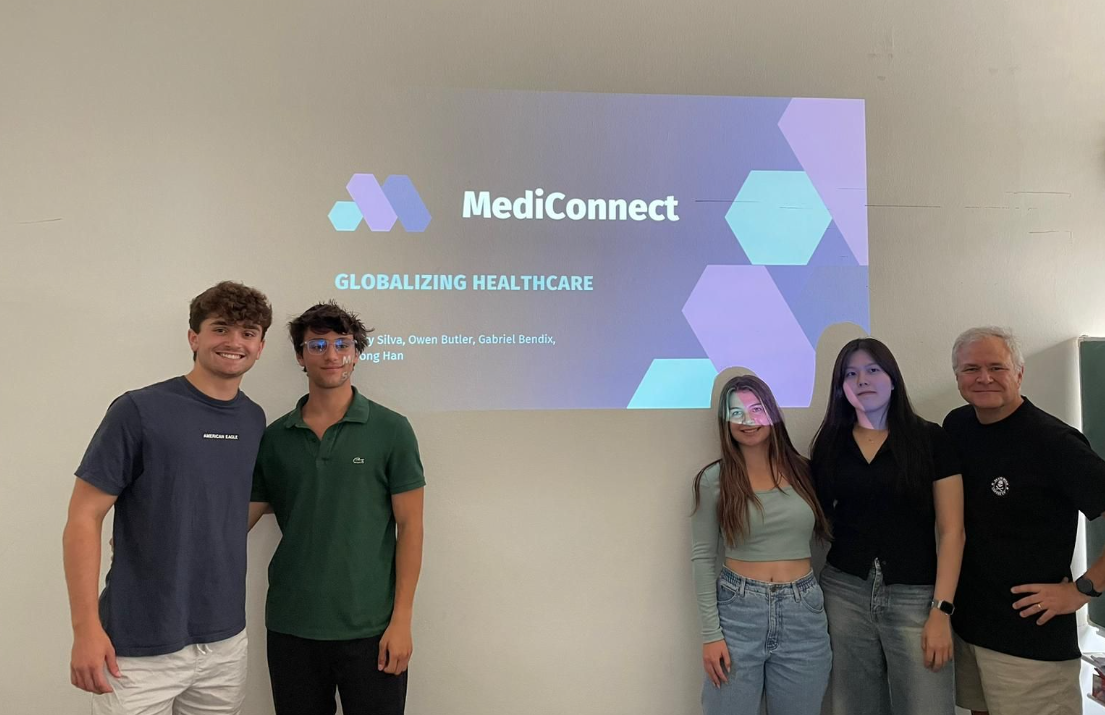
Built a web app deployed serverlessly at near-zero cost that translates prescription requests into local medication equivalents via an AI chatbot and locates open pharmacies using the Leaflet API with address geocoding.
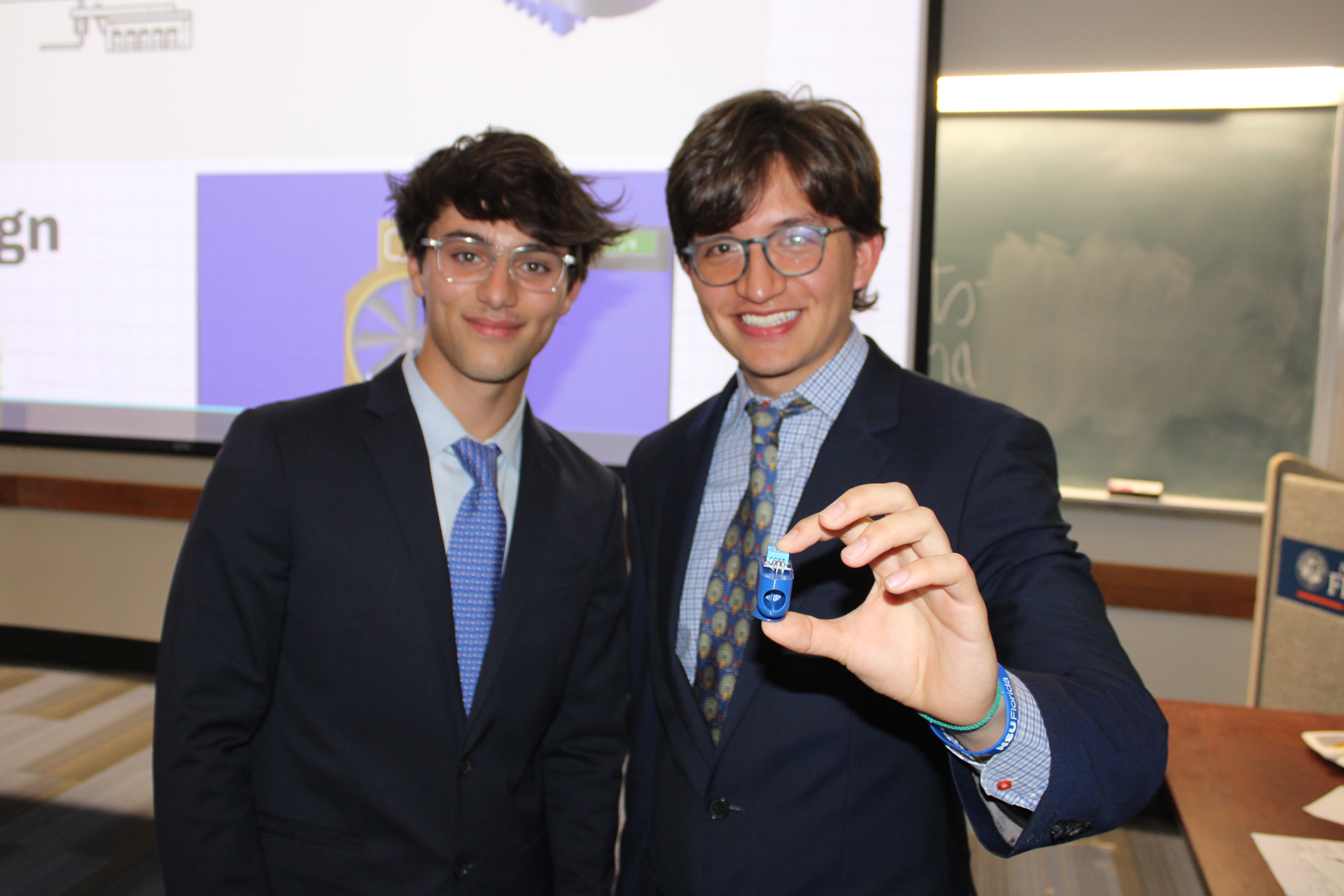
Designed a pressure-sensing valve that instantly shuts off damaged sprinkler systems with home and industrial applications.
Returning full-time to the Brushless DC Motor Drivers Business Unit as a Product Marketing Engineer, blending technical depth with go-to-market strategy for TI's next-generation motor driver portfolio.
Worked as a Product Marketing Engineer in TI's Brushless DC Motor Drivers Business Unit, sitting at the intersection of technical engineering and go-to-market strategy. Developed customer-facing marketing materials and contributed to hardware validation and web presence work for the business unit's motor driver portfolio.
Contributed across mobile app, backend, and DevOps to launch a seller-to-buyer marketplace for prescription eyewear. Delivered production-ready features, reliable payments and automated operations that scaled to thousands of users.
Leading cutting-edge research in Computer Vision Deep Processing Unit development. Streamlined low light event camera scene analysis for UAV applications and developed FPGA-accelerated deep processing units for machine vision applications.
Developed scalable data processing solutions and web applications for a leading Brazilian data company. Utilized production data to create real-time analytics and visualization tools with exceptional accuracy.
Developed advanced computer vision systems for autonomous robotics competition. Deployed GPU-accelerated computer vision pipeline with ZED 2i depth perception camera, significantly improving system performance and enabling real-time autonomous navigation.
One of 14 student coordinators of IGNITE,the only EII backed program promoting entrepreneurship at UF with panels, VCs, and workshops. Worked on campus-wide outreach initiatives, building valuable entrepreneurship partnerships with student organizations.
Automated advanced data analysis and stakeholder communication for large-scale construction projects. Developed systems to streamline project workflows and improve decision-making processes for engineering teams.
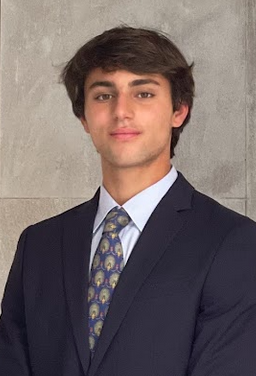
I'm a published researcher in the Department of Computer Engineering at the University of Florida, where I use FPGA boards and hardware acceleration for part-time research. I've also led full-stack development as Software Dev Team Lead at The Lens Link, a company revolutionizing the eyewear industry, and worked as a SWE at CANAC, a Brazilian agrotech startup using data and AI to modernize Brazil's sugarcane industry.
This past summer, I interned as a Product Marketing Engineer at Texas Instruments in Dallas, working on DC brushless motor drivers and I'm now an incoming Product Marketing Engineer, returning full-time to the same team in June 2027. I love ultra-low-latency engineering and semiconductor design, and I'm always happy to connect with people working on embedded systems, startups, or interesting hardware problems. Reach out via the LinkedIn link below!
Specialized coursework in FPGA design, embedded systems, computer vision, and machine learning. Active in research and entrepreneurship programs with hands-on experience in hardware acceleration and deep processing unit development.
I'm always happy to connect with people working on embedded systems, semiconductors, startups, research, or interesting engineering problems. The best way to reach me is through LinkedIn follow me there or send me a message and I'll get back to you.